




ACI Laser is a new member of the Lüdenscheid Plastics Institute
20.04.2026
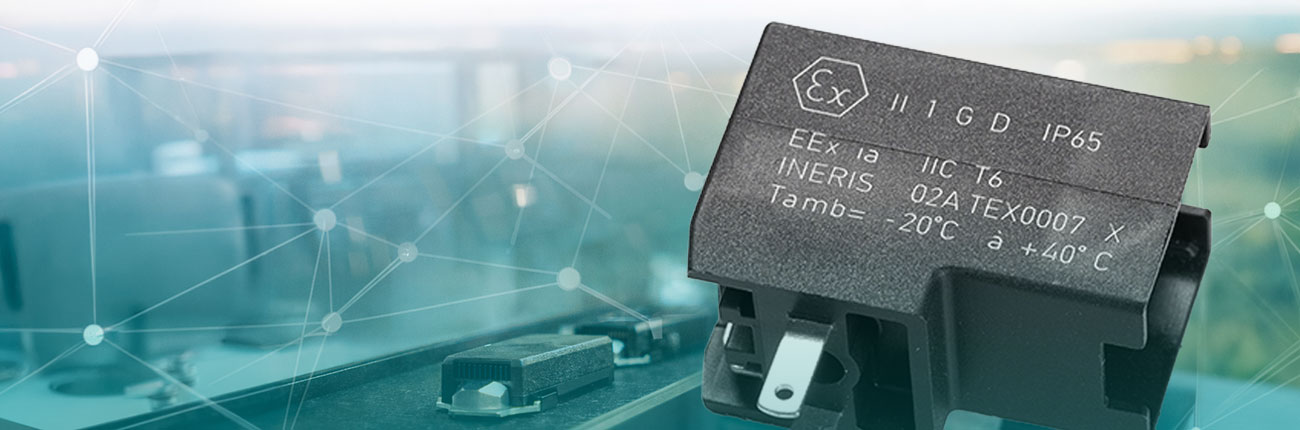
Through its membership in the Lüdenscheid Plastics Institute, ACI Laser is strengthening the exchange of practical knowledge regarding plastics processing and reliable laser marking on plastics. Within this network of over 400 members, the focus is on application-oriented topics – ranging from traceability to automation.
Practical insights that matter in plastics manufacturing
Plastic components pose unique challenges for industrial marking: the material, additives, surface condition, component geometry, and process conditions all influence whether a mark can be applied with high contrast, durability, and reproducibility. At the same time, demands are increasing for traceability, product variety, short cycle times, and integration into automated production lines.
Against this backdrop, membership in the Lüdenscheid Plastics Institute serves primarily as a platform for practical exchange- covering everything from materials and injection molding to mass production, quality assurance, and automation.

Laser marking on plastic: more than “just a code”
When it comes to plastic components, laser marking is often more than just a code. Laser marking on plastic must be reliably readable, operate stably during the process, and be integrable into the production line. In practice, this means that material properties, component handling, cycle time, and data transfer for traceability must all work together – in a robust, reproducible manner, without slowing down the process.
Especially in automated production environments, what matters is not so much the individual test as a stable parameter range that functions reliably even in the presence of variations, batch changes, or different surface conditions.
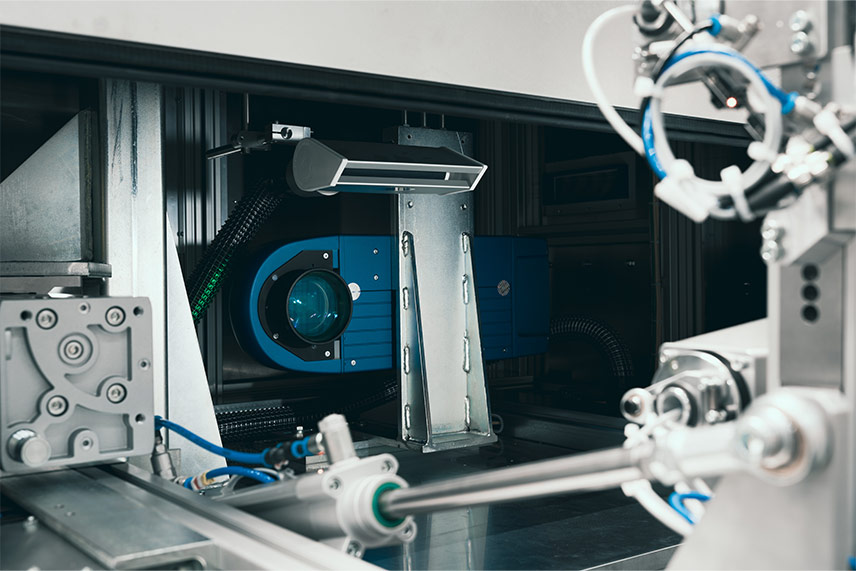
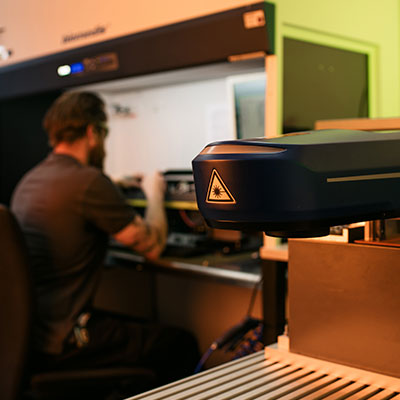
Integrated laser marking station: Laser module and optics integrated into the system design – engineered to deliver consistent results in mass production.
What specific benefits do users get from this?
From the user’s perspective, the benefit lies in its practical relevance: experiences, common challenges, and key levers for improvement are discussed right where they arise – during processing and in production.
+ Discussion of real-world use cases from manufacturing, injection molding, and application
+ Insights into reliable laser marking on plastic – durable, legible, and robust
+ Assessment of integration requirements (cycle time, handling, variants, automation)
+ Perspectives from a network of over 400 members with practical experience in plastics
Laser marking on plastic: what matters in practice
What factors affect contrast and readability on plastic?
In addition to the type of plastic, additives/fillers, part color, surface texture, and the condition of the part after injection molding (e.g., release agents, residual stresses) all influence the marking result. Often, what matters most is not “maximum output” but a stable range of parameters that ensures reproducible contrast.
Why does laser marking work in testing – but not later in mass production?
In mass production, component variations have a greater impact: batch changes, paint batches, surface variations, temperature fluctuations, or minor positioning deviations during handling. If these factors are not taken into account, a “feasible” test can quickly turn into an unstable process on the production line.
How can laser marking remain reliable despite cycle times, product variations, and automation?
When cycle times are short, what matters is the combination of a suitable marking principle, reproducible component positioning, and clear process logic across different variants. In automated lines, component handling, clamping, and process monitoring are often just as important as the actual marking time.
Which type of laser is best suited for plastic components?
The choice depends heavily on the material, the desired contrast, thermal sensitivity, and the integration concept. In projects, it is therefore worthwhile to conduct an application-specific evaluation: the goal is not “the best source,” but rather the most robust solution for the component, production line, and mass-production conditions.
How does laser marking support traceability in plastics manufacturing?
This often involves Data Matrix codes, serial numbers, or plain text that must be reliably read and transferred to downstream systems. For traceability to work effectively in day-to-day operations, the marking, inspection/reading process, and data transfer must all work together seamlessly – without causing any additional disruptions to the process.

Transparent plastic component with laser marking in plain text, symbols, and unit specifications.