
A diode laser is the best choice for engraving and marking. If the leather also needs to be cut, a CO₂ laser can be used. With its higher energy output, it can cut through even thick layers of leather quickly and effortlessly.
Challenges and solutions
Leather and plastics share the common characteristic of being organic materials—that is, they are based on carbon compounds—even though their manufacturing processes are completely different. Leather is animal hide that has been chemically preserved through tanning. What both material groups have in common is that they cannot be marked with just any laser. The unique feature of leather is that it retains its natural fiber structure during tanning, which must not be destroyed during laser engraving.
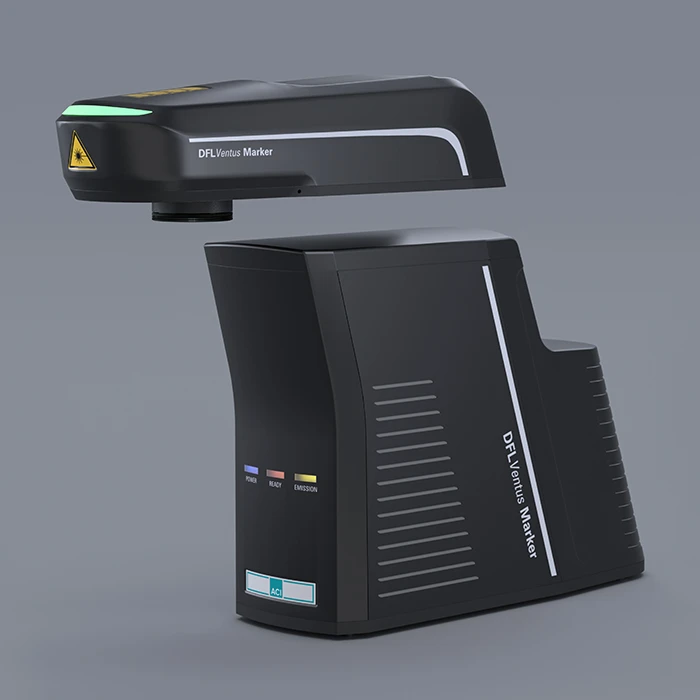
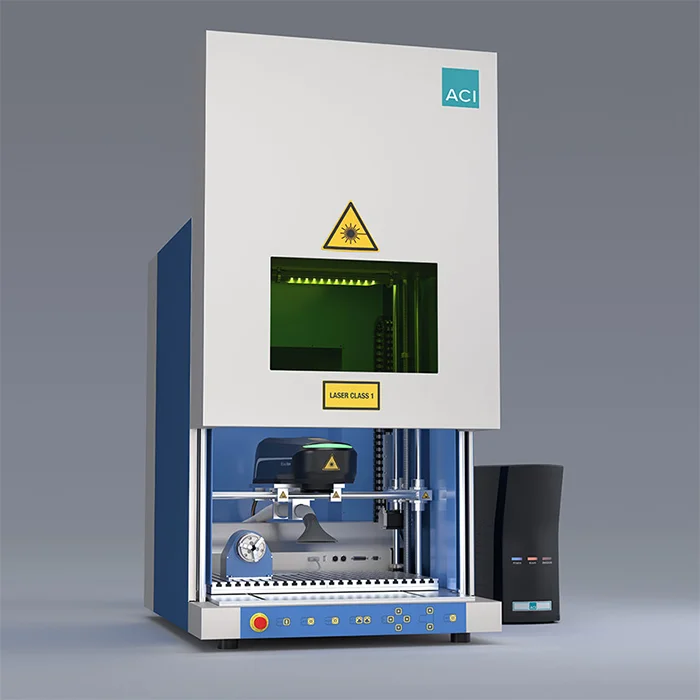
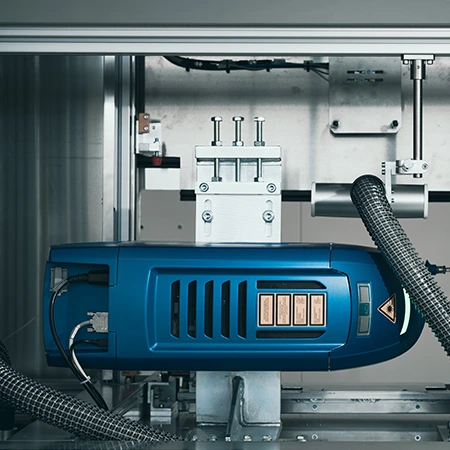
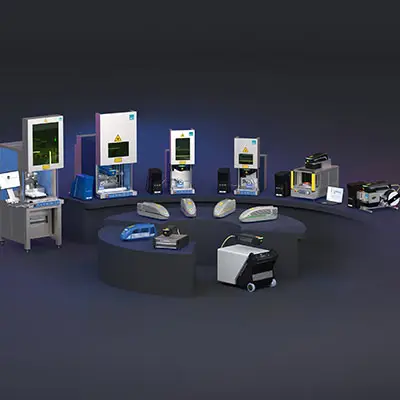
This poses a particular challenge for marking and laser engraving on leather. If damage occurs, the marking or engraving will appear imprecise. Therefore, laser marking or engraving on leather requires a laser that is powerful yet gentle on the material. ACI Laser’s wide product range offers you several solutions for high-quality engraving on leather and leather materials.
In addition to creating elegant engravings and lettering, it is also possible to cut leather using a laser. The material is melted and vaporized during the process, resulting in very clean, smooth edges that are difficult to achieve with other cutting tools. This means that even the cut edges enhance the elegant appearance of your leather products.
Lasers enable precise engraving and marking that is virtually impossible to achieve with other methods. However, this is only possible with the right laser system control. Our in-house laser software, Magic Mark, gives you unlimited design freedom, as templates you create can be easily imported from other programs. You can also use your own custom fonts or choose from a wide selection of standard TrueType and OpenType fonts.
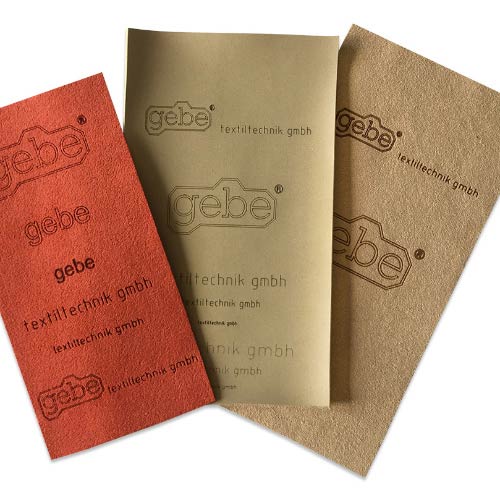
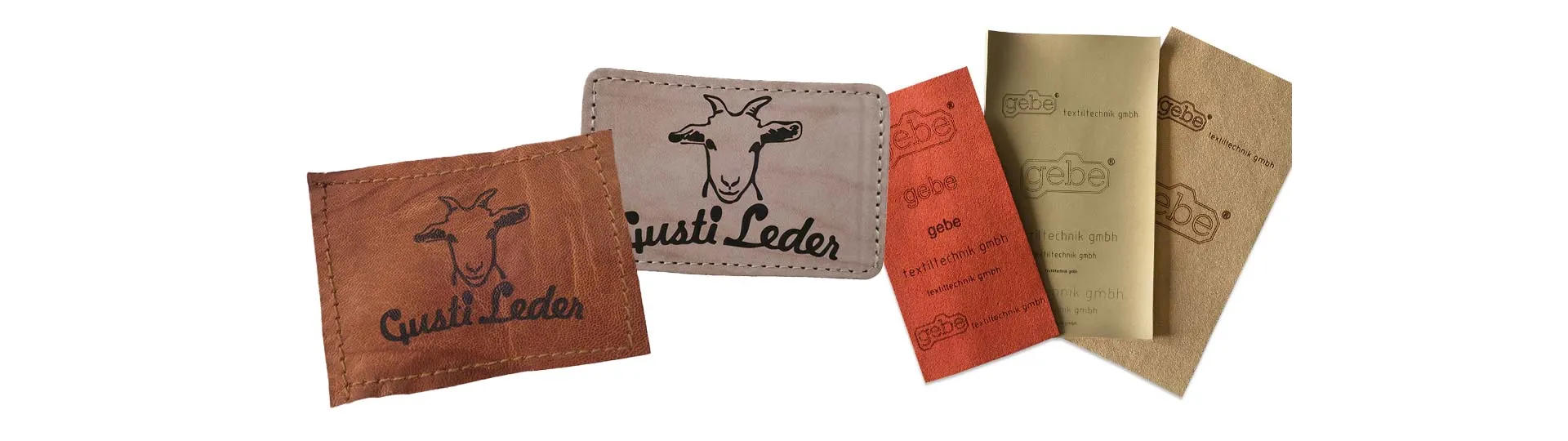
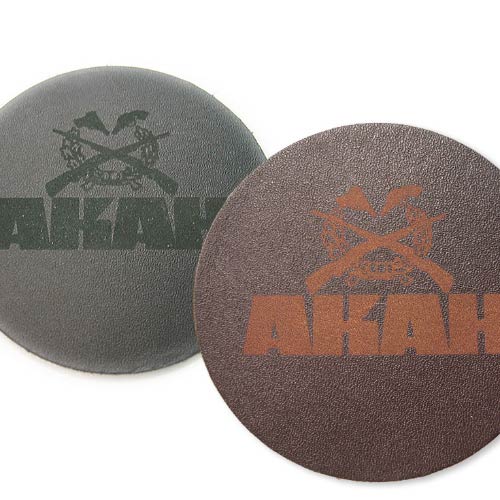
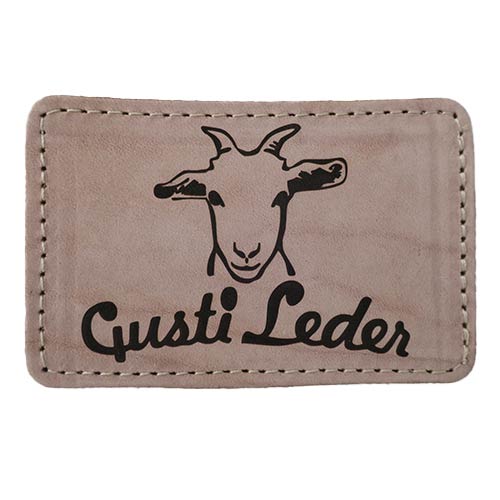
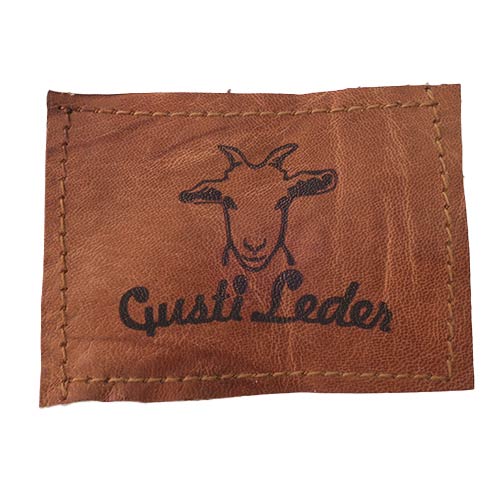
Light-colored leathers become significantly darker during laser engraving. This effect generally occurs even with leather that has already been dyed a darker color, though the color change is not as noticeable in that case. With black leather, only a change in texture is noticeable.
When laser engraving, special attention must be paid to the correct energy input. If it is too low, the material will not be processed properly. If, on the other hand, it is too high, the material may burn; thin leather in particular can warp due to excessive heat. Our experts will be happy to advise you on the correct settings for your lasers and demonstrate the capabilities of our systems in our showroom.
A diode laser is the best choice for engraving and marking. If the leather also needs to be cut, a CO₂ laser can be used. With its higher energy output, it can cut through even thick layers of leather quickly and effortlessly.
Yes, synthetic leather can also be engraved with a laser. There are also types of synthetic leather that are specifically manufactured for laser processing. These have two different color layers, creating very creative contrasts when only the top layer is removed with the laser.
Like wood, leather is a natural product, which is why the results may vary slightly between different pieces, even if they are all made from the same piece of leather.
Technically speaking, there is no reason why leather produced using chrome tanning cannot be laser-engraved. However, this process may generate toxic fumes that must be extracted and properly filtered to prevent health hazards. With vegetable-tanned leathers, however, this risk does not exist.

Press ENTER to confirm or press ESC to close
Here you can specify in detail which services you wish to allow. Individual services can be enabled or disabled within each category.